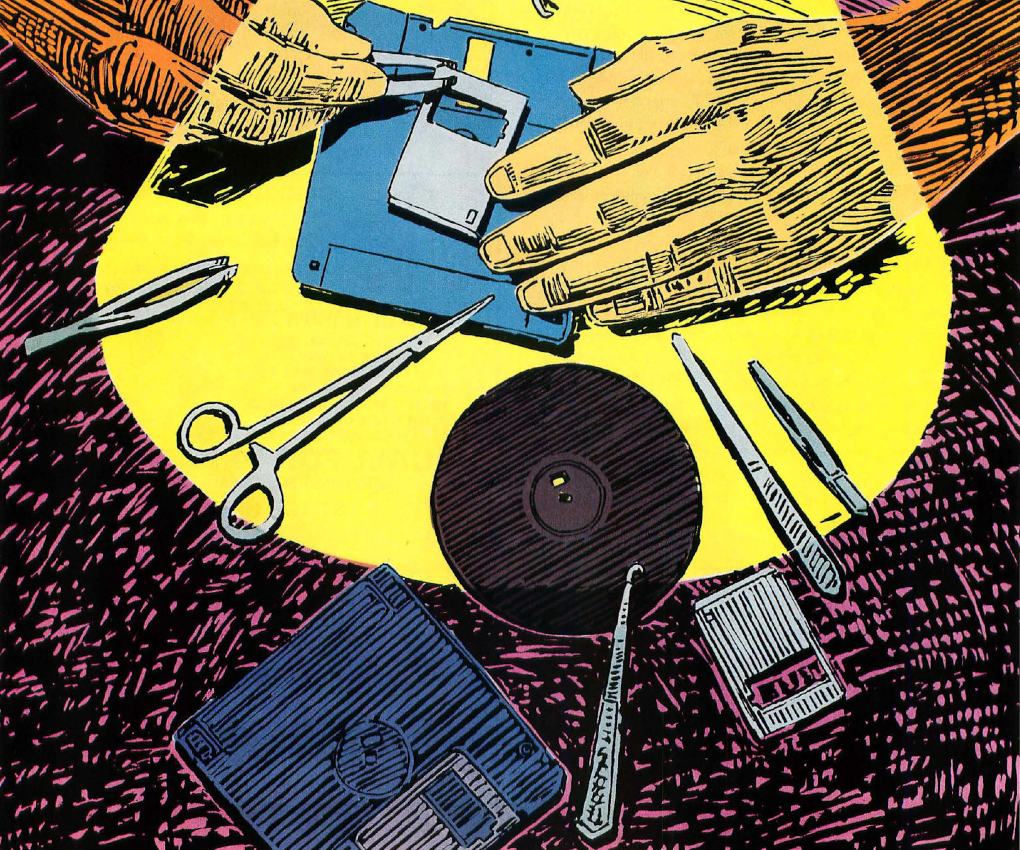
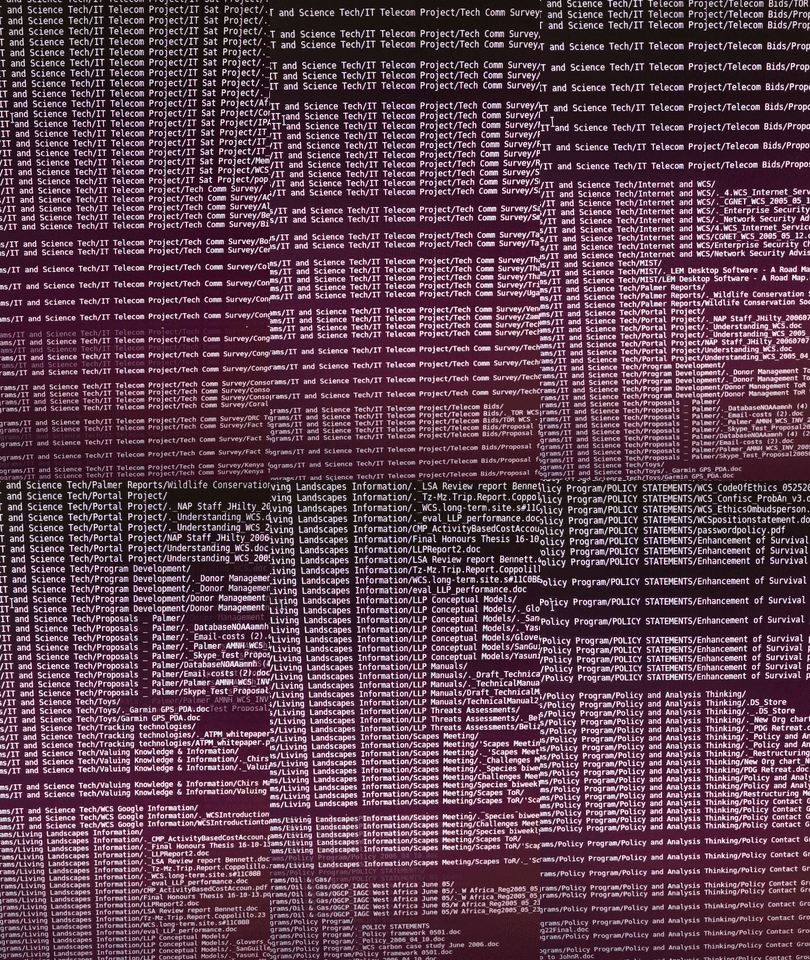
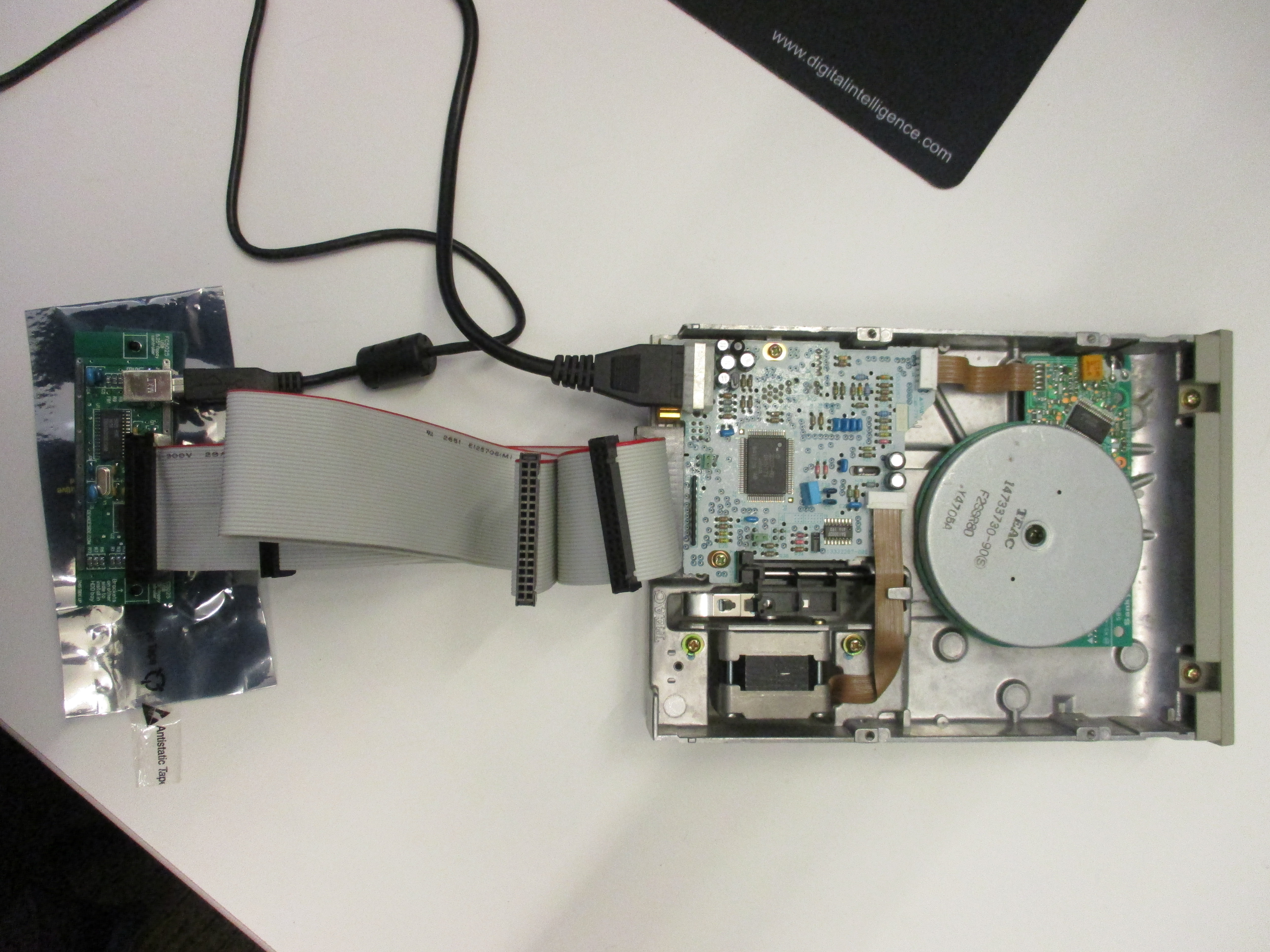
 The advantage of working with highly customizable, open-source tools is the ability to tailor your workflow to the specific needs of your institution or collection. The disadvantage is that you have to customize your workflow, and by that you may find yourself testing configurations in seemingly endless fashion. With so many manually entered steps along the way, a single mismatched configuration can throw pieces of your processing workflow into a tailspin and leave you, hoping, in bouts of desperation, for a one-size-fits-all magical turnkey solution to all digital archival objects for their forever-and-ever-nothing-will-ever-be-lost deep storage.
One small step for an archive, one giant leap for an archivist
Leave a reply
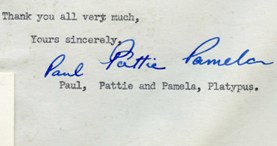 The vast majority of the documents in the WCS Archives are written by people speaking as themselves. They may be speaking as representatives for a larger collective, such as the Society, or a professional organization, or even–in the cases of some Congressional testimony transcripts–as representatives for the zoo profession as a whole. Every now and then, however, we come across examples of people speaking not in their own voices, but in those of animals.