First Phase of Our Photo Preservation Project is Complete

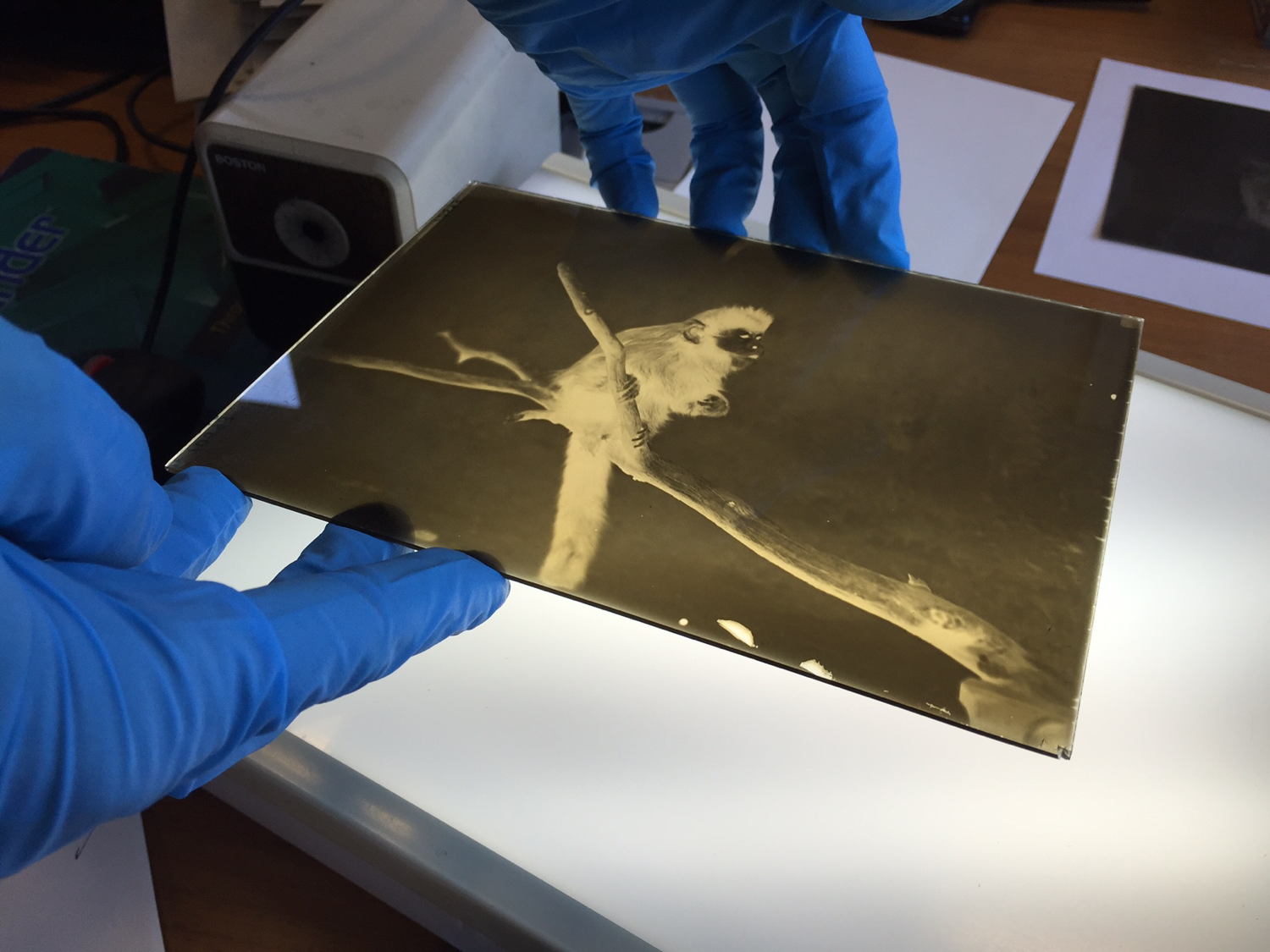
Picture1 As we’ve been reporting, the WCS Archives has spent the first half of the year working on a project to preserve our photographic negative collection.  Funded by the New York State Program for the Conservation and Preservation of Library Research Materials, the project serves as the first phase in what we intend to be a larger initiative to preserve the entire collection.  During this first phase, we identified and rehoused the collection’s first 10,267 photographic negatives.  This included 2,111 dry plate glass negatives and 8,156 acetate film negatives; of these, all of the glass negatives and 60% of the acetate negatives were 5×7”, and 40% of the acetate negatives were 4×5” or smaller.  Continue reading →

Celebrating the NPS Centennial in the Jackson Hole Wildlife Park

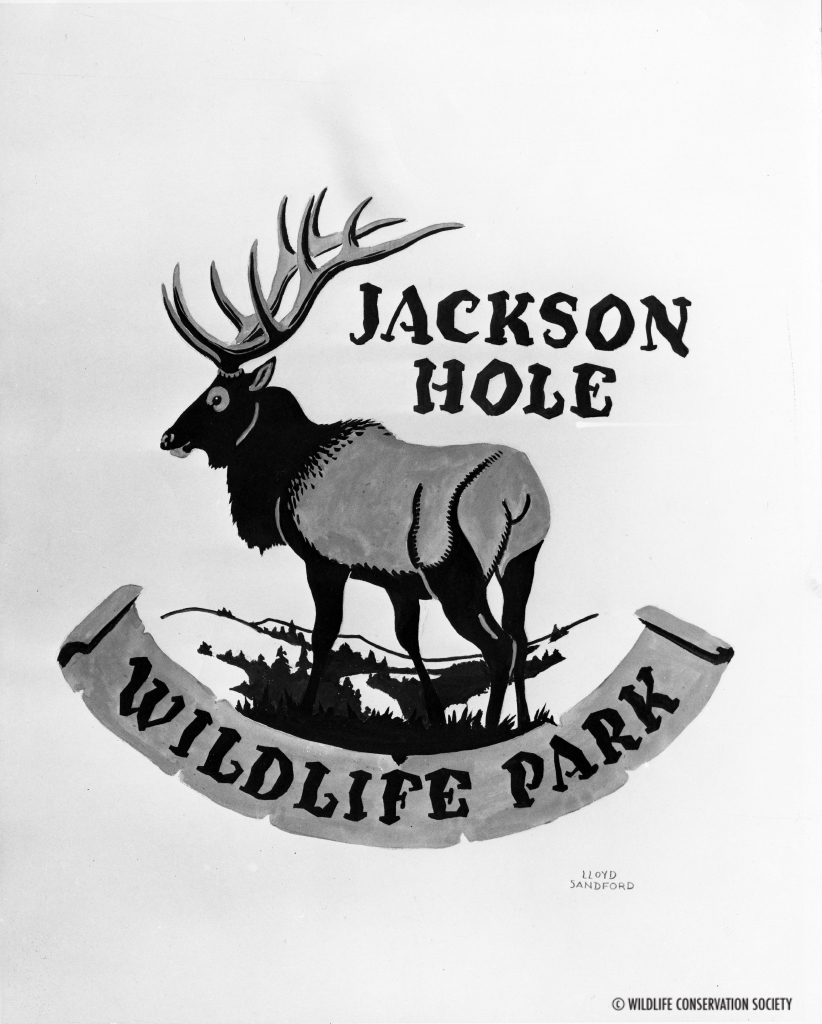
Wildlife Conservation Society_24782_Jackson Hole Wildlife Park Drawing by Lloyd Sanford_01 02 53This year marks the 100th anniversary of the National Park Service, and to celebrate this major event, we’re remembering the creation of the Jackson Hole Wildlife Park.  In 1948, New York Zoological Society trustee and future NYZS president Laurance S. Rockefeller worked with NYZS and the Wyoming Game and Fish Commission to establish the park, and in 1962, the park was donated to the National Park Service for inclusion in Grand Teton National Park.

Continue reading →

Preserving Herpetological History… and Beyond

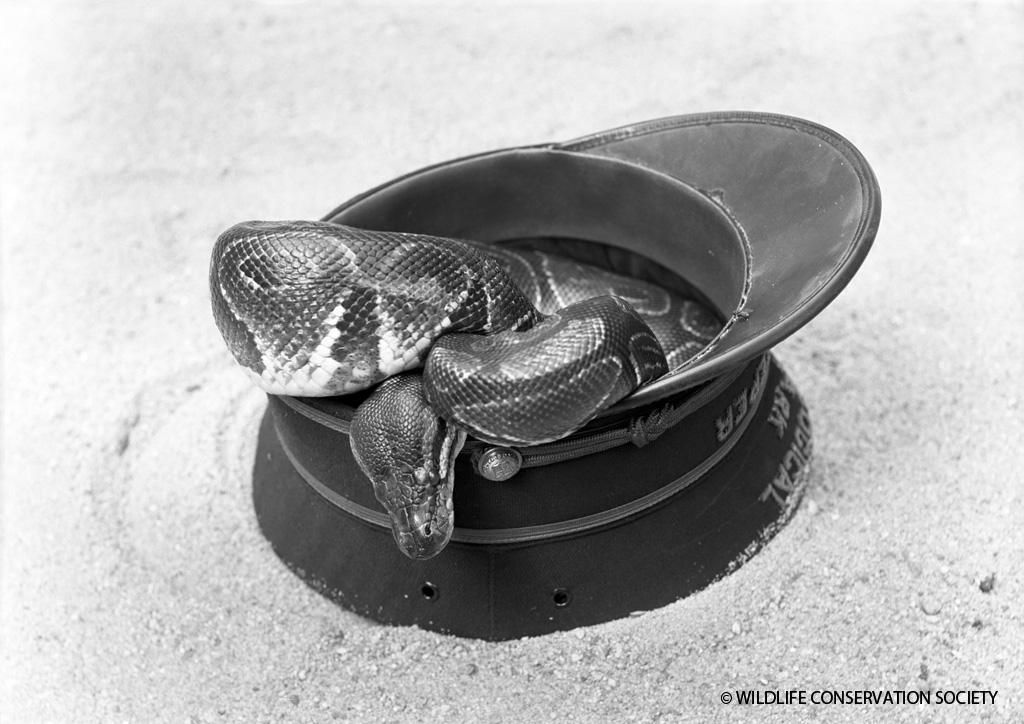
Wildlife Conservation Society_009962_Ball Python Snake_BZ_09 09 25In January 2016, the WCS Archives began a project to preserve WCS’s historical photographic negatives. Since then, another intern and I have been going through these negatives one by one, inspecting them and creating an inventory, noting any information we can glean about their title, date, and physical condition. To ensure their long-term preservation, these negatives are being rehoused and placed into new acid-free envelopes and boxes. The approximately 50,000 negatives in this collection include both acetate film and glass plate negatives, and the oldest images date back to 1899. During this first phase of the project, I have been working with around the first 10,000 negatives in the collection, which represent the earliest of WCS’s photos, ranging from 1899 to the early 1940s.  This project was funded by the New York State Program for the Conservation and Preservation of Library Research Materials.

Continue reading →

How the American Bison Became Our National Mammal

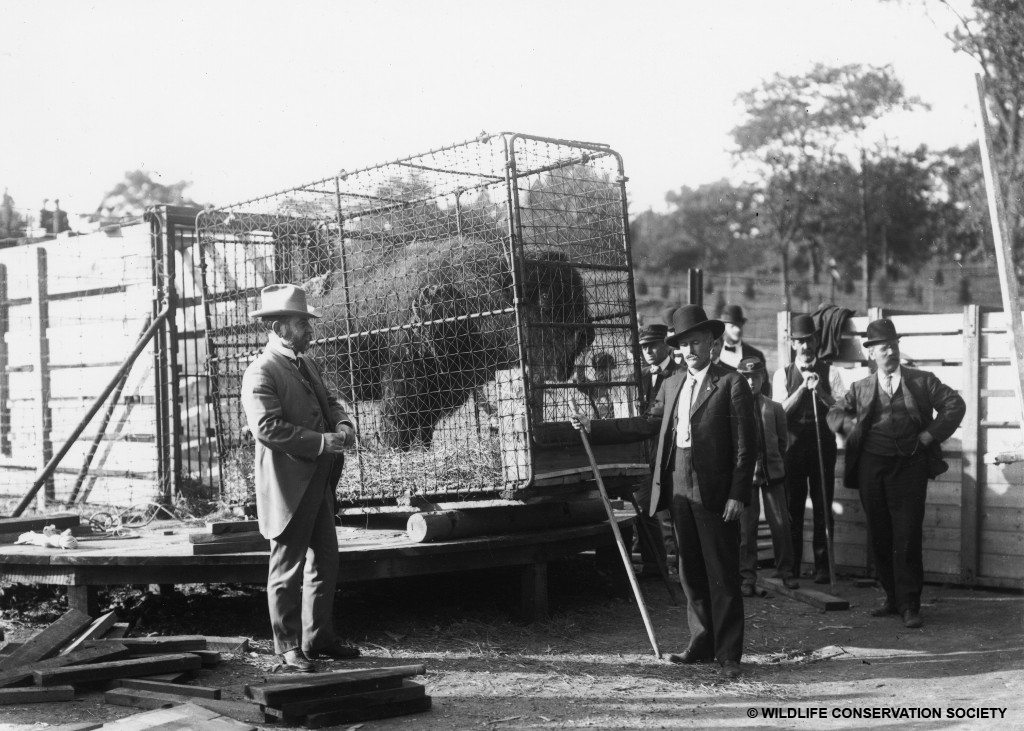
Bison at the Bronx Zoo being crated for transport to the Wichita Forest  and Game Preserve (now known as the Wichita Mountains Wildlife  Reserve), October 1907. William Hornaday appears on the left.  WCS Photo Collection

Bison at the Bronx Zoo being crated for transport to the Wichita Forest and Game Preserve (now known as the Wichita Mountains Wildlife Reserve), October 1907. William Hornaday appears on the left. WCS Photo Collection

This week, President Obama signed a law making the bison the US’s first national mammal.  To celebrate this momentous event, we’re looking back on the history of protection for the American bison with a blog post over on Medium.  Check it out here:

http://medium.com/@WCS/how-the-american-bison-became-our-national-mammal-eace49467768#.qva9dat56

WCS NDSR Project Post: “{Let’s Get Digital} Recap”

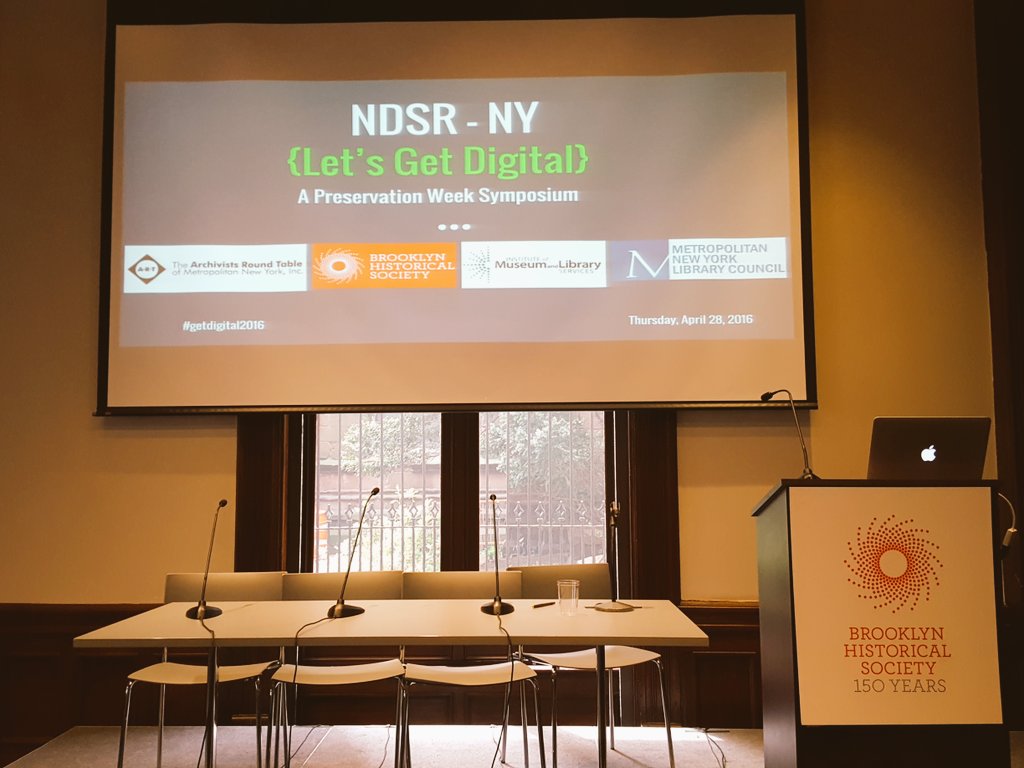
Our NDSR Resident, Genevieve Havemeyer-King, was recently one of the organizers of a free, all-day symposium on digital preservation held under the auspices of the Metropolitan New York Library Council, the Archivists Round Table of New York, and the Brooklyn Historical Society.

As an attendee, I can say that the event was a rousing success!  In her latest post on the NDSR-NY Resident blog, Genevieve showcases the day’s highlights and links to slides and other resources from the presentations and workshops:

http://ndsr.nycdigital.org/lets-get-digital-recap/

Check it out!

The African Plains: “A New Vista to the Wonders of Nature”

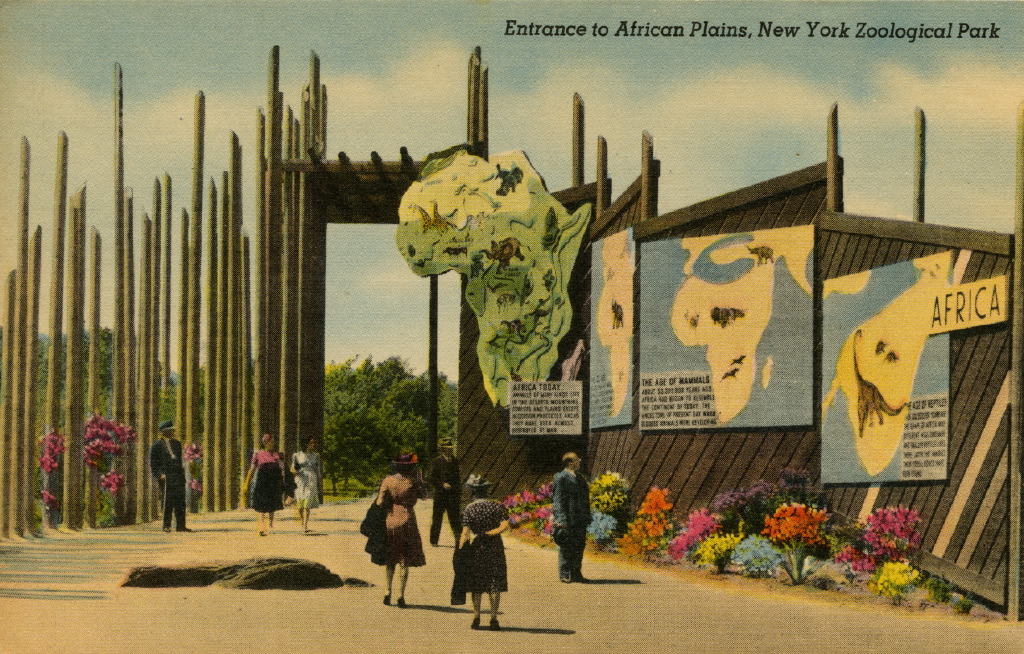
wcs-2016-pc-091“A new vista to the wonders of Nature.”  This is how New York Zoological Society President Fairfield Osborn described the brand new African Plains exhibit when it opened at the Bronx Zoo 75 years ago next week, on May 1, 1941.  The exhibit—with its bringing together of several African species, including lions, zebras, nyalas, and many birds, into an expansive savannah landscape—was indeed a new vista for the Zoo.  Whereas previous Bronx Zoo exhibits were conceived around animal orders or families—what Osborn referred to as “man-made classification”—and often indoors—think of the old Lion House, the Monkey House—the African Plains brought together animals based on geography, and it placed them in a naturalistic setting. Continue reading →

WCS NDSR Project Post: “Trojan Dots and DIY Solutions”

Our National Digital Stewardship Resident here at the WCS Archives,  Genevieve Havemeyer-King, has another post  on the NDSR-NY Program blog:

http://ndsr.nycdigital.org/trojan-dots-and-diy-solutions/

In this post Genevieve talks about her takeaways from a recent conference and describes one of the smallest challenges we’ve faced so far—so tiny, in fact, that we nearly didn’t see it!

Check it out!

The ‘Rubbish War’: Hornaday’s Home-Town Campaign

Wildlife Conservation Society_005575_Waste Paper East of Bronx River_BZ_05 00 12-watermarkedAt the Bronx Zoo the approach of Spring brings warmer weather, and thus increasing crowds enjoying the park.  As the season progresses the Horticulture, Maintenance, and Operations Departments, as well as various others, all find themselves increasingly busy with the work of keeping the Zoo presentable.  A century ago these departments’ predecessors also joined the fight to maintain the grounds.  During the early 20th Century, however, Director William Hornaday, treating the efforts to keep the Zoo clean like one of his conservation campaigns, gave what he called ‘The Rubbish War’ a hyperbolic air not seen in today’s spring cleanings.
Continue reading →

This entry was posted in Uncategorized by .

Grace Davall

IMG_1464This Women’s History Month, we’re celebrating Grace Davall, who began her career in a secretarial role at the Bronx Zoo in 1923, at the age of 18, and rose through the ranks to become Assistant Curator of Mammals and Birds in 1952.  Upon her retirement in 1970 until her death in 1985, she was designated Curator Emeritus.  Continue reading →